Last Updated on February 24, 2026 by Nyayik Vigyan
Executive Summary
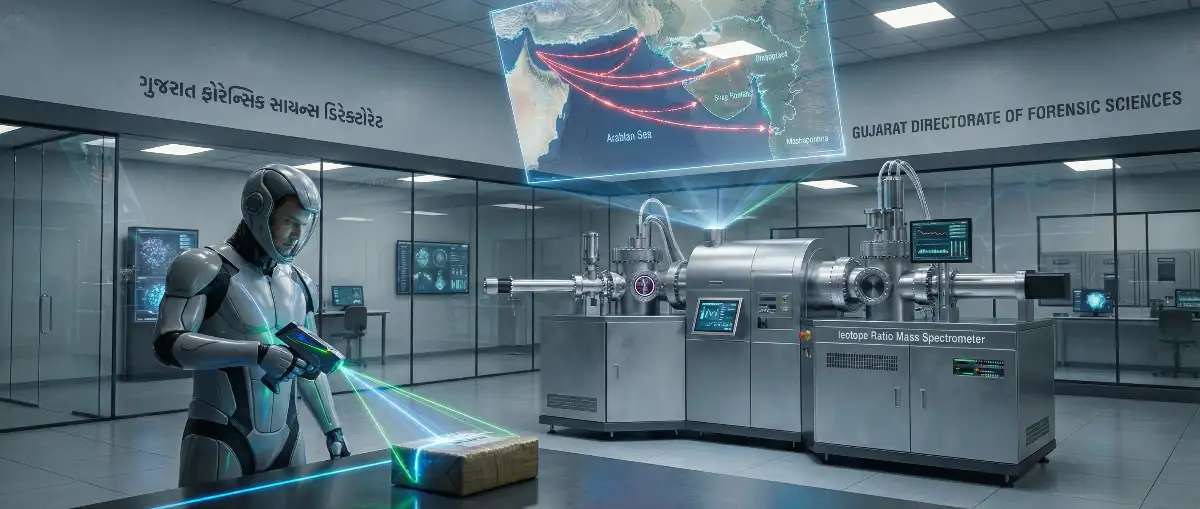
The Gujarat Directorate of Forensic Sciences (DFS) is undertaking a massive technological overhaul to combat the state’s growing challenge as a narcotics transit corridor. With a new budget allocation, the DFS is procuring Isotope Ratio Mass Spectrometry (IRMS) to trace the geographical origin of drugs and Handheld Raman Spectrometers for rapid on-site detection. This move marks a shift from reactive seizures to proactive supply chain disruption.
From Seizure to Source: The Tech Upgrade
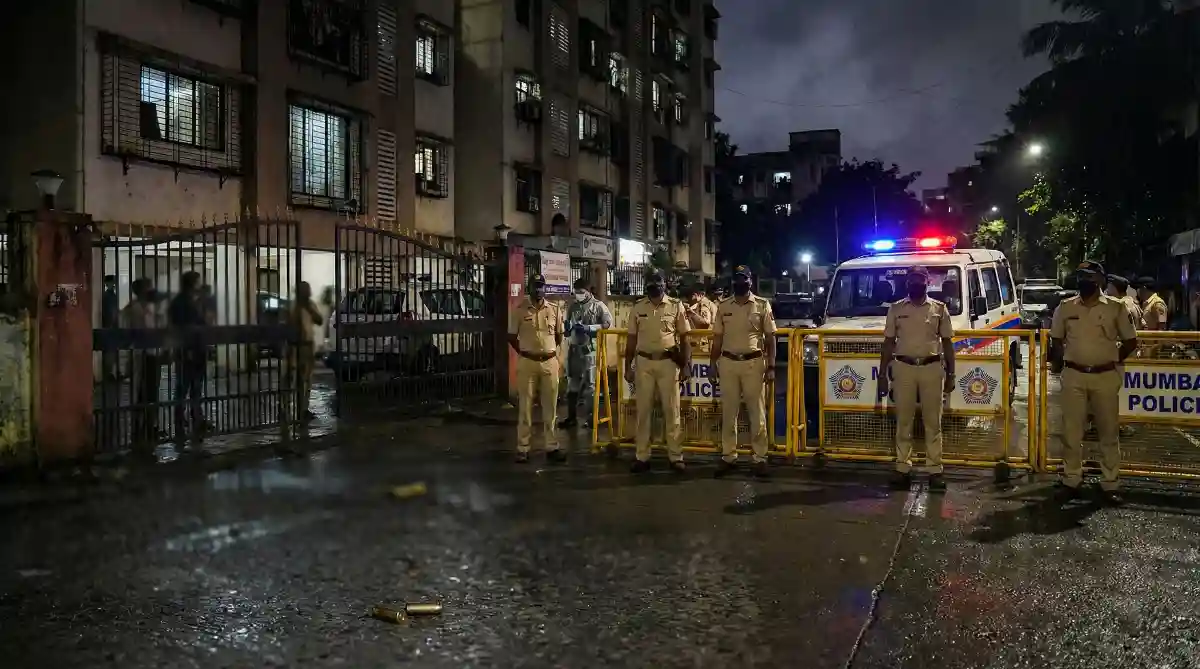
Gujarat’s 1,600 km coastline has made it a strategic entry point for international drug cartels. Between 2020 and 2024 alone, agencies seized narcotics worth over ₹7,350 crore. While seizures stop the immediate flow, they often fail to identify the production source.
To bridge this gap, the state government has approved a significant modernization drive for the DFS, focusing on three critical areas: Narcotics Tracing, DNA Profiling, and Digital Forensics.
1. Pinpointing Origin with Isotope Ratio Mass Spectrometry (IRMS)
The crown jewel of this upgrade is the Isotope Ratio Mass Spectrometry (IRMS) system, funded at ₹3.5 crore.
- What it does: IRMS analyzes the unique “chemical fingerprint” of a substance based on the natural abundance of stable isotopes (like Carbon-13 or Nitrogen-15) present in it.
- Forensic Application: Even if two batches of heroin look chemically identical, their isotopic signatures will differ based on the soil, water, and atmospheric conditions of the region where the opium poppies were grown.
- Impact: This technology allows investigators to:
- Link seized drugs to specific production regions (e.g., Golden Crescent vs. Golden Triangle).
- Map trafficking routes with scientific precision.
- Connect seemingly isolated seizures to a single cartel or syndicate.
2. Rapid Field Detection with Raman Spectroscopy
For immediate, on-ground results, the DFS is procuring Handheld Raman Narcotic Analysers worth ₹2 crore.
- The Problem: Traditional field test kits often require opening packets and using chemical reagents, which can destroy evidence or expose officers to toxic substances.
- The Solution: Raman spectroscopy uses laser light to identify molecular fingerprints. It works through transparent containers (plastic bags, glass bottles), allowing for:
- Non-destructive testing: Evidence remains intact.
- Speed: Results in seconds, not hours.
- Safety: No direct contact with potentially lethal substances like Fentanyl.
3. Next-Gen DNA Profiling for Complex Cases
Learning from mass casualty incidents like the AI-171 crash, the DFS is upgrading its DNA division with a Mixture and Probabilistic Genotyping Tool (₹7.44 crore).
- Why it matters: In complex crimes like gang rapes or mass disasters, DNA samples are often mixed (containing genetic material from multiple people) or degraded. Traditional analysis often fails to separate these profiles.
- Capability: This AI-driven tool can untangle complex DNA mixtures, providing distinct profiles for each contributor. This is a game-changer for securing convictions in sexual offense cases involving multiple perpetrators.
4. Digital Forensics on Wheels
To tackle cyber-enabled crime, the budget includes ₹2.39 crore for a Mobile Digital Forensic Van. Equipped with video enhancement tools and mobile extractors, this unit will allow forensic teams to extract data from phones, smartwatches, and CCTV feeds directly at the crime scene, preserving volatile digital evidence before it can be remotely wiped.
Why This Matters for Law Enforcement
This technological infusion transforms the Gujarat Directorate of Forensic Sciences from a backend laboratory into a proactive intelligence asset. By scientifically linking a street-level peddler’s packet to a specific overseas farm, agencies like the NCB, ATS, and Indian Coast Guard can build stronger international cases and target the root of the supply chain rather than just the branches.
Source: Based on recent reports from The Times of India and Union Government data.