
Forensic Science
Forensic Science Technician: Salary, Jobs & How to Become in 2025
In this article
What is a Forensic Science Technician?
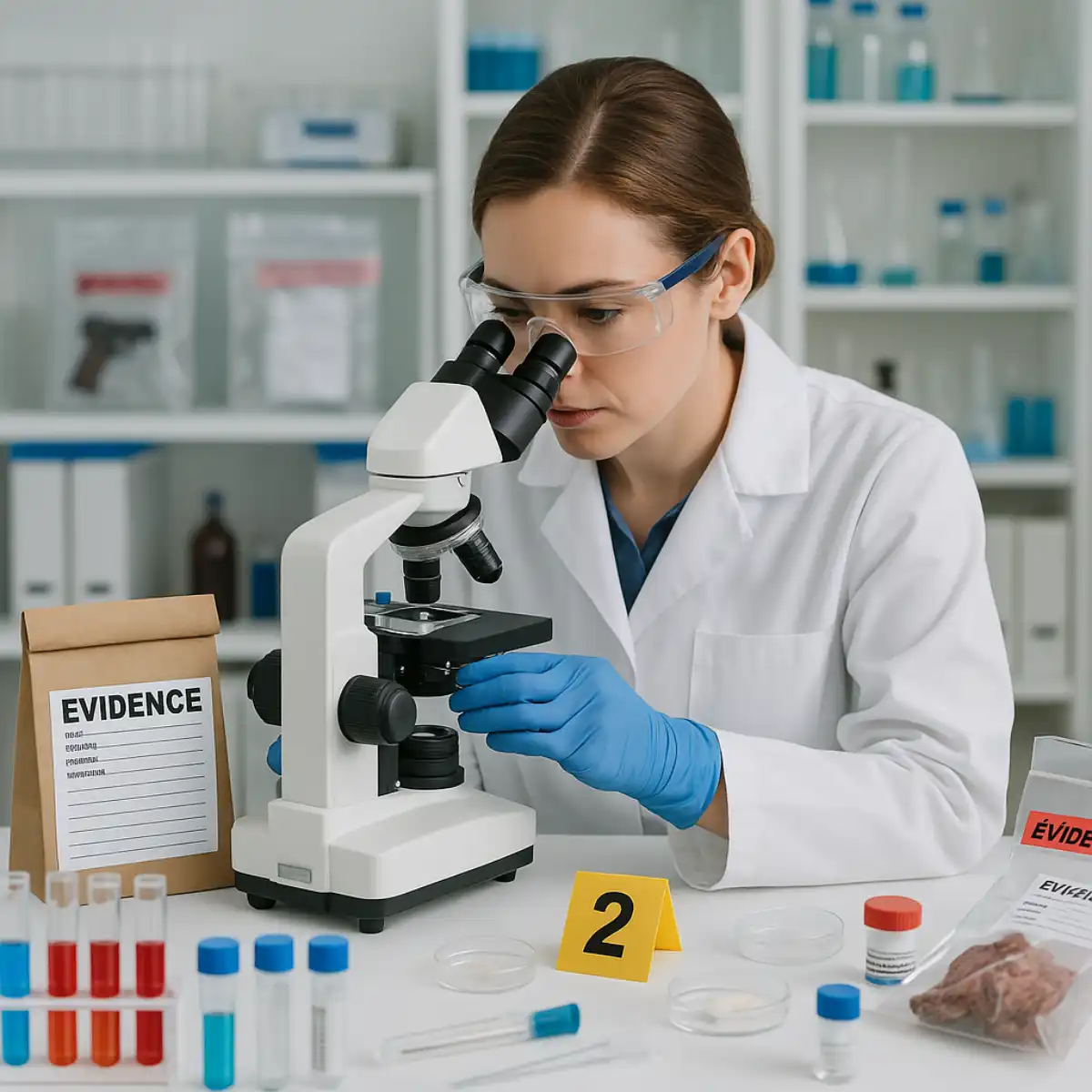
A forensic science technician collects, processes, and analyzes physical evidence from crime scenes to support criminal investigations and court proceedings. They use scientific methods-such as microscopy, chemical testing, and digital forensics-to examine materials like blood, hair, fibers, and fingerprints. Protecting the chain of custody, writing detailed reports, and testifying as expert witnesses are core responsibilities.
Forensic Science Technician Salary in 2025
According to the U.S. Bureau of Labor Statistics, the median annual wage for forensic science technicians was $67,440 in May 2024, up from $60,590 in 2020.
-
Lowest 10%: $41,000
-
Highest 10%: $105,000 Private-sector labs and local agencies tend to offer lower starting salaries, while federal positions-such as the FBI-provide higher pay and benefits. In India, entry-level salaries range from ₹3-5 lakhs per year, rising to ₹10 lakhs+ with experience.
How to Become a Forensic Science Technician
-
Earn a Bachelor’s Degree (4 years) - Major in forensic science, biology, chemistry, or a related field.
-
Gain Practical Experience (1-2 years) - Internships at crime labs, volunteering with law enforcement, or on-the-job training.
-
Obtain Certifications (optional) - American Board of Criminalistics certifications in bloodstain pattern analysis, forensic biology, or toxicology.
-
Pass Proficiency Exams - Lab technique assessments and professional licensure exams were required.
-
Apply for Jobs - Positions in federal agencies (FBI, DEA), state and local crime labs, or private forensic service firms.
Education Required to Be a Forensic Science Technician
-
Minimum: Bachelor’s degree in forensic science, biology, chemistry, microbiology, or biochemistry.
-
Alternative: Degrees in criminal justice or psychology with sufficient coursework in natural sciences.
-
Advanced Paths: Master’s programs in forensic science for specialisation in digital forensics, DNA analysis, or toxicology.
Forensic Science Technician Certification & Training
Specialised certifications enhance credibility and career prospects:
-
Certified Forensic Science Technician (CFST) by AAFS
-
Certified Crime Scene Investigator (CCSI) by IAI
-
Digital Evidence Specialist by GED Continuing education workshops in advanced microscopy, chromatography, and emerging digital forensic tools keep skills current.
Forensic Science Technician Job Description
Core Duties:
-
Secure and document crime scenes, ensuring evidence integrity.
-
Collect and preserve physical evidence (blood, drugs, latent prints).
-
Analyze evidence using analytical chemistry, microscopy, and DNA profiling.
-
Prepare detailed laboratory reports and maintain equipment calibration schedules.
-
Testify as expert witnesses in court, explaining scientific findings to judges and juries.
Key Skills:
-
Laboratory techniques (microscopy, chromatography)
-
Strong written and oral communication skills
-
Critical thinking and attention to detail
-
Physical fitness and adherence to safety protocols
Forensic Science Technician Jobs & Career Outlook
-
Projected Growth (2023-2033): 14% (much faster than average for all occupations).
-
Annual Openings: ~2,500 new positions in the U.S.
-
Top Employers: FBI, state crime labs, local law enforcement, private forensic consultancies. In India, opportunities exist in CBI, state forensic science laboratories, private investigation agencies, and academic research institutions.