
Cases
7 Shocking Gypsy Rose Crime Scene Photos: Complete Legal Guide
In this article
Gypsy Rose Crime Scene Photos
Content Warning: This article discusses graphic crime scene photographs and sensitive content related to murder and abuse. The focus is on legal and ethical considerations rather than the graphic content itself.
The search term "Gypsy Rose crime scene photos" has generated over 100,000 monthly searches in the United States, reflecting intense public interest in the forensic evidence from one of America's most discussed murder cases[1][2]. This surge in attention stems from the complex intersection of abuse, murder, and the controversial release of previously restricted forensic photographs that went viral in July 2024[1][3].
Many people search for Gypsy Rose crime scene photos, intrigued by the circumstances surrounding the case and the broader implications.
The Case Background: Understanding the Context of Gypsy Rose Crime Scene Photos
Discussions about Gypsy Rose crime scene photos often touch on various ethical concerns that arise in true crime narratives.
The murder of Clauddine "Dee Dee" Blanchard on June 14, 2015, in Springfield, Missouri, represents one of the most documented cases of Munchausen syndrome by proxy in recent American criminal history[4][5]. Dee Dee was found stabbed to death in her bedroom after being attacked by Nicholas Godejohn at the request of her daughter, Gypsy Rose Blanchard[4][6].
The graphic nature of Gypsy Rose crime scene photos has sparked debates over media ethics and the portrayal of victims.
For over two decades, Dee Dee had subjected Gypsy Rose to extreme medical abuse, forcing her to use a wheelchair, feeding tubes, and undergo numerous unnecessary surgeries while convincing doctors and the community that her daughter suffered from leukemia, muscular dystrophy, seizures, and various other conditions[6][7]. Medical records later revealed that Gypsy Rose was perfectly healthy and had been the victim of factitious disorder imposed on another (FDIA), previously known as Munchausen syndrome by proxy[8][9].
Gypsy Rose pleaded guilty to second-degree murder and received a 10-year sentence, serving eight years before her release on December 28, 2023[7][10]. Godejohn was convicted of first-degree murder and sentenced to life in prison without parole[4][5].
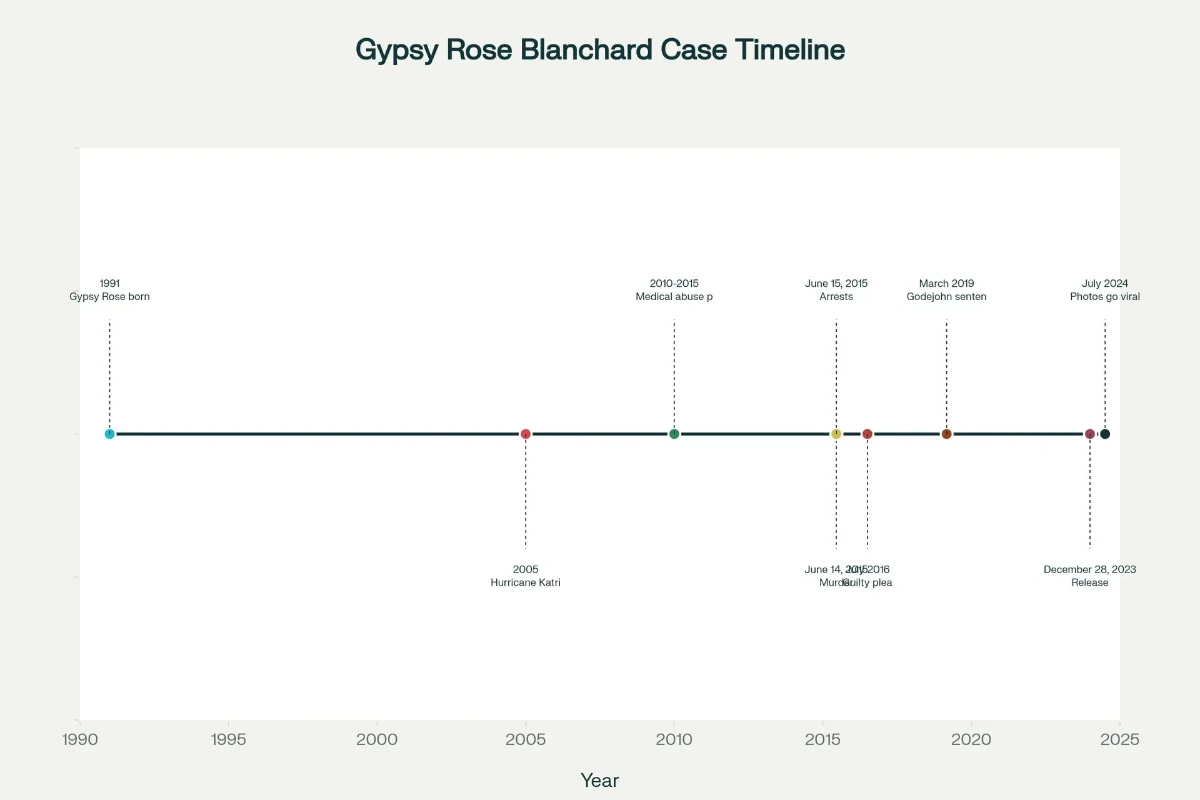 Timeline of Key Events in the Gypsy Rose Blanchard Case (1991-2024)
The Legal Framework: FOIA and Public Access to Gypsy Rose Crime Scene Photos
Access to Gypsy Rose crime scene photos is guided by state laws and public interest considerations.
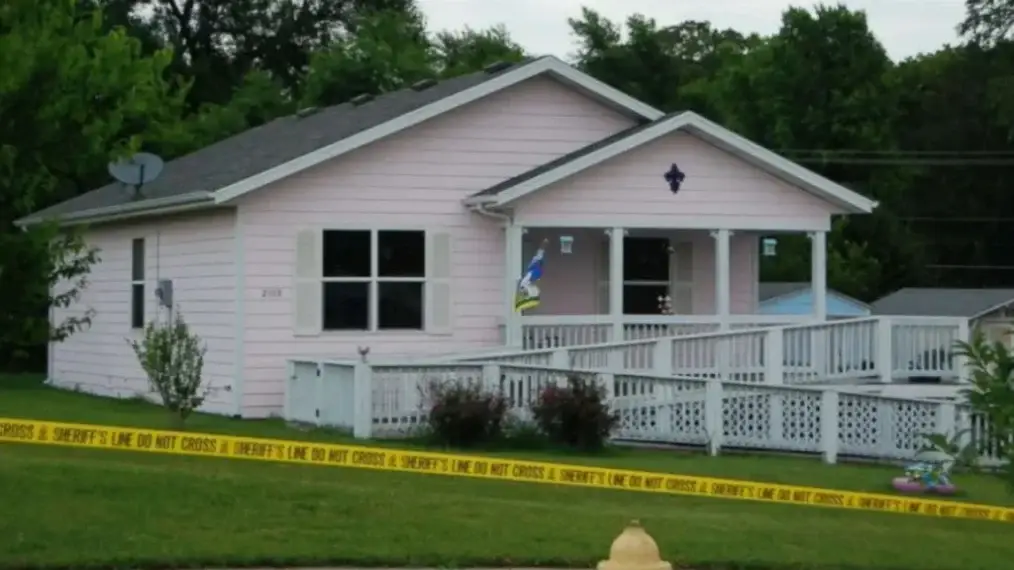 gypsy-rose-crime-scene-photos
Image Source: TV Insider
Federal and State Public Records Laws
Crime scene photographs taken by law enforcement agencies are generally considered public records under the Freedom of Information Act (FOIA) at the federal level and similar state-level open records laws[11][12]. Once officially released through proper legal channels, these images typically enter the public domain and can be accessed by citizens, researchers, and media organizations[11].
Understanding the legalities surrounding Gypsy Rose crime scene photos can help clarify public access rights.
However, nine states have enacted specific restrictions on the disclosure of graphic crime scene photographs[11]:
-
- California: Prohibits copying of coroner photographs except for criminal proceedings or court-permitted use
- Connecticut: Exempts homicide victim images that would constitute unwarranted invasion of privacy
- Florida: Restricts access to surviving family members unless court-ordered
- Georgia: Limits access to next of kin and authorized parties
- Minnesota: Classifies crime scene photos as confidential criminal justice information
- Montana: Restricts access through confidential criminal justice information statutes
- North Dakota: Exempts images of homicide, sex crime, and minor victims
- Pennsylvania: Exempts photographs of deceased persons at death scenes
- Texas: Restricts "sensitive crime scene images" showing dismemberment or mutilation[11]
The Missouri Context
Since the Blanchard murder occurred in Missouri, which is not among the nine states with explicit restrictions, the crime scene photographs were legally accessible through standard FOIA requests to the Greene County Sheriff's Office and other investigating agencies[1][13].
The legal access to Gypsy Rose crime scene photos underlines important principles regarding public records.
The 2024 Viral Controversy
The Google Drive Leak
As the Gypsy Rose crime scene photos circulated online, many questioned the motivations behind their dissemination.
On July 27, 2024-coinciding with Gypsy Rose's 33rd birthday-a Google Drive folder containing forensic photographs from the Blanchard crime scene went viral across social media platforms including Twitter, Reddit, and TikTok[1][3][2]. The images depicted the interior of the Blanchard home, evidence markers, blood stains, and graphic photographs of Dee Dee's body[1][14].
April Johns and the FOIA Connection
The source of the viral photographs was traced to blogger and podcaster April Johns (also known as Fancy Macelli), who runs the "Good Wives Network" podcast[1][13]. John confirmed on TikTok that the Google Drive link originated from her Patreon account, where she had posted the images obtained through legitimate FOIA requests[1][13].
April Johns's connection to the viral Gypsy Rose crime scene photos raises questions about ethical sourcing.
"Those documents, those crime scene photos, they have been public for the last nine years," Johns explained. "Anyone could have put a FOIA in at any time they wanted to and gotten those photos, and many have,e and they have been out for years"[1][15].
Legal Battle with the Blanchard Family
The controversy surrounding Gypsy Rose crime scene photos highlights the tension between media freedom and ethical responsibility.
Johns became embroiled in a legal dispute with Gypsy Rose and her family, who filed a lawsuit alleging defamation, fraud, breach of contract, and false light[13][16]. The lawsuit claimed that Johns had worked with the family from 2017 to 2019 under a "Life Rights Option Agreement" to produce media content about Gypsy's case, but failed to deliver promised projects while using the materials for her content creation[13].
The case was eventually dismissed by a Missouri court for improper venue, meaning it was filed in the wrong jurisdiction[13].
Ethical Considerations in True Crime Content
Responsible Journalism Standards
The viral spread of the Blanchard crime scene photos raises significant ethical questions about the treatment of victims and their families in true crime content[17][18]. Professional journalism organizations, including the Radio Television Digital News Association (RTDNA), provide guidelines for handling graphic content[19]:
- Journalistic Purpose: Content should clarify and help audiences understand the story, not merely shock or entertain[19]
- Necessity Test: Graphic material should only be used when essential to telling the story[19]
- Victim Dignity: All subjects should be treated with respect and dignity, showing particular compassion to victims of crime or tragedy[19]
- Public Interest: The public benefit must outweigh potential harm to individuals and families[19]
Impact on Victims' Families
The National Center for Victims of Crime emphasizes that victims are "not characters in stories who exist to boost ratings; they're people in various stages of trauma and healing journeys"[18]. The unauthorized circulation of graphic crime scene photos can retraumatize surviving family members and complicate their healing process[18][20].
Caring for the dignity of victims is essential when discussing Gypsy Rose crime scene photos.
The Sensationalism Problem
Critics argue that the fascination with graphic crime scene photos represents a form of digital voyeurism that prioritizes entertainment value over human dignity[21][22]. This concern is particularly acute in cases involving domestic violence and child abuse, where the focus should remain on understanding systemic issues rather than satisfying morbid curiosity[23].
Current Availability and Access Points
Official Channels
The Gypsy Rose Blanchard crime scene photographs remain accessible through legitimate channels:
Legal channels for obtaining Gypsy Rose crime scene photos continue to evolve with changing public attitudes.
- FOIA Requests: Direct requests to the Greene County Sheriff's Office in Missouri
- Court Records: Unsealed documents from the criminal proceedings
- Law Enforcement Archives: Official repositories maintained by investigating agencies
Unofficial Distribution
Following the July 2024 viral incident, the photographs have appeared on various platforms:
The rise of social media has impacted the way Gypsy Rose crime scene photos are shared and discussed.
- Social Media: Shared across Twitter, Reddit, and TikTok before content moderation
- True Crime Forums: Discussion boards and specialized communities
- Archive Sites: Various internet archives and document repositories[15][3]
Law enforcement officials clarified that the viral spread was "not a leak" from their departments, as all official releases are tracked and documented[15].
Legal and Ethical Guidelines for Content Creators
Content creators must approach Gypsy Rose crime scene photos with a strong ethical framework in mind.
For Journalists and Podcasters
Content creators covering true crime cases should consider[17][23]:
- Victim-Centered Approach: Prioritize victim perspectives and family consent
- Context Over Sensation: Focus on systemic issues and educational value
- Content Warnings: Provide clear warnings about graphic or disturbing material
- Source Attribution: Properly cite official records and avoid unauthorized materials
- Long-term Impact: Consider the lasting effects on all parties involved
For Consumers
The ethical consumption of true crime content includes consideration of Gypsy Rose crime scene photos.
Ethical consumption of true crime content involves[18]:
-
- Supporting Responsible Creators: Choose content that respects victims and families
- Questioning Motivations: Consider whether content serves educational or merely entertainment purposes
Critically assessing the motivations behind sharing Gypsy Rose crime scene photos is vital for ethical engagement.
- Respecting Boundaries: Avoid sharing or seeking out graphic content that may cause harm
The Broader Implications
Privacy in the Digital Age
The discussion of Gypsy Rose crime scene photos encapsulates broader societal questions about privacy and ethics.
The Blanchard case highlights the tension between public records laws and personal privacy in an era of instant digital distribution[24]. While FOIA ensures government transparency, the viral spread of sensitive materials raises questions about the intended scope of public access[12].
Media Ethics Evolution
The case contributes to ongoing discussions about media ethics in the true crime genre, particularly regarding the balance between public interest and victim dignity[23][20]. Many advocates call for updated standards that consider the digital amplification of sensitive content[18].
Advocates for media ethics often cite cases like Gypsy Rose crime scene photos as examples of necessary change.
Conclusion on Gypsy Rose Crime Scene Photos
The search for "Gypsy Rose crime scene photos" reflects broader societal fascination with true crime content, revealing important discussions about legal access, ethical consumption, and victim dignity.
The case serves as a crucial reminder that behind every true crime story are real people who have experienced trauma and loss. As consumers and creators of such content, we bear a responsibility to approach these materials with the gravity and respect they deserve, focusing on education, understanding, and justice rather than mere sensationalism.
For those interested in the Gypsy Rose Blanchard case, numerous ethical resources exist that provide comprehensive coverage without exploiting graphic imagery, including the HBO documentary "Mommy Dead and Dearest," the Hulu series "The Act," and various academic studies on Munchausen syndrome by proxy that can contribute to meaningful understanding of this complex case.
This article is intended for educational purposes and does not provide direct links to graphic crime scene photographs. Content warnings have been included throughout to allow readers to make informed decisions about their engagement with this sensitive material.